
Why Your Credit Score Isn't Going Up — And How to Actually Fix It
Learn how to build credit with no credit history using 4 proven steps. Discover why your score may be stuck — and the exact moves that actually fix it.
Credit Clarity Hub
5/17/202612 min read
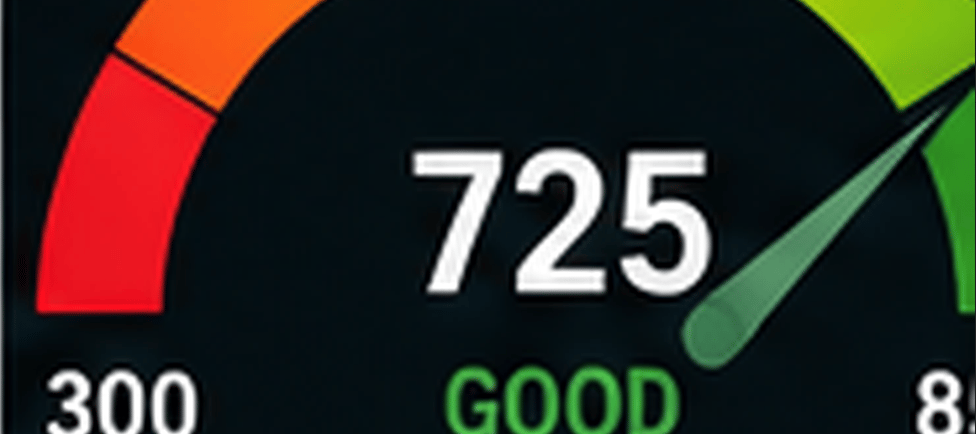
You're paying your bills. You're doing what you think you're supposed to do. But your credit score barely moves — or worse, it drops for reasons that make no sense at all.
Here's the hard truth: building credit has very little to do with being perfect. It has everything to do with understanding how the system actually works.
This is the core problem with most credit advice online — it's either too complicated, completely outdated, or sounds like a credit hack from a YouTube thumbnail. So let's cut through all of that.
In this guide, you'll learn exactly how to build credit with no credit history, why your score might be stuck right now, and the specific steps that actually move the number. No jargon. No overnight promises. Just practical information that works.
And one of the mistakes below is silently costing people 50 to 100 points — without them even realizing it.
How Credit Scores Work — The Basics You Actually Need
What Goes Into Your Score
Your credit score is a number between 300 and 850. Lenders use it to decide whether to approve you for loans, credit cards, apartments, and sometimes even jobs. The most commonly used model is your FICO score, and it's built from five factors:
Payment History — 35% The single biggest factor. Pay late even once and it can hurt for years.
Amounts Owed (Utilization) — 30% How much of your available credit you're using. Lower is better.
Length of Credit History — 15% How long your accounts have been open. Older is better.
Credit Mix — 10% Having both credit cards and installment loans helps your profile.
New Credit / Hard Inquiries — 10% Too many applications in a short window signals risk.
Why Good Income Doesn't Mean Good Credit
This surprises a lot of people. Your income doesn't appear anywhere on your credit report. Neither does your savings account balance or your job title. Credit bureaus only care about how you manage borrowed money — how much you use, whether you pay it back, and how consistently you do it.
That's why people with high salaries get denied for car loans while people with modest incomes get approved. Income is irrelevant. Behavior is everything.
What 'Credit Invisible' Actually Means
If you have no credit history, you don't start with a low score. You have no score at all. The three major bureaus — Experian, Equifax, and TransUnion — need at least one account open for six months before they can generate a score.
This is called being credit invisible, and it affects around 45 million Americans. The steps below solve this problem by creating the track record lenders need to see.
How to Build Credit With No Credit History: 4 Steps That Work
These aren't theories. These are the four methods that actually build a credit file from scratch — and the smartest approach is to use more than one at the same time.
Step 1: Open a Secured Credit Card
A secured credit card is the most reliable first move for anyone with no credit history. You deposit a refundable amount — typically $200 to $500 — which becomes your credit limit. Use the card for small, routine purchases, and your payment activity gets reported to all three bureaus every month.
The right way to use it: charge only what you can pay in full, and pay the full balance every month. You build payment history, keep utilization low, and never pay interest.
What to look for: No annual fee, reports to all three bureaus, and a clear upgrade path to an unsecured card after 6 to 12 months of responsible use. The Discover it Secured Card is one of the most beginner-friendly options available and has no annual fee.
💡 Pro tip: Set up autopay for the full balance the moment you open the card. One forgotten payment can set you back months. Automating this removes the risk entirely.
Step 2: Become an Authorized User on Someone Else's Account
This is one of the fastest credit building tips for beginners and it's massively underused. Ask a parent, partner, or trusted friend with good credit to add you as an authorized user on their card. You don't even need to use the card or carry it. Their payment history on that account can appear on your credit report and give you an instant foundation.
One important condition: the primary cardholder needs a clean history. Their late payments will hurt you just as much as their good history helps. Only do this with someone you trust completely.
In some cases, this step alone can move someone from no score to a Fair score (580–669) within one or two billing cycles — especially if the account has several years of clean history on it.
Step 3: Open a Credit-Builder Loan
Credit-builder loans are built exactly for people who want to know how to get a credit score from zero. Here's how they work: you make fixed monthly payments to a lender, the money is held in a savings account, and when you finish the loan term you get the funds. The lender reports your payments to the bureaus the entire time.
You're building your credit history and a savings balance at the same time. There's essentially no downside if you make your payments on time.
Where to find them: Local credit unions, community banks, and apps like Self (formerly Self Lender) offer credit-builder loans with no credit check required. Some start as low as $25 per month.
This pairs extremely well with a secured card. Together, they give you two active accounts — a revolving credit line and an installment loan — which builds your credit mix and adds positive history from two directions at once.
Step 4: Get Credit for Bills You're Already Paying
Rent, utilities, and phone bills don't automatically appear on your credit report. But they can — and they should.
Experian Boost is a free tool that adds your phone bill, utilities, and even streaming subscriptions like Netflix to your Experian credit file. Many users see a score increase the same day they connect their accounts.
Rent reporting services like Rental Kharma and Boom Pay report your monthly rent to the credit bureaus. If you've been paying rent on time for months or years, that history can add meaningful points to your score starting immediately.
This is the best way to build credit without a cosigner — you're converting financial behavior you're already doing into credit bureau data, with no new debt and no new applications required.
Beginner Credit Mistakes to Avoid — These Are Costing People Points Right Now
The Mistakes That Actually Hold Scores Back
The steps above work. But they only work if you're not quietly undermining yourself at the same time. These are the most common beginner credit mistakes to avoid — and some of them are costing people 50 to 100 points without them even realizing it.
High utilization, even with on-time payments. This is probably the biggest one. If you're using 70%, 80%, or 90% of your credit limit, your score will suffer — even if you never miss a payment. Lenders see high utilization as a sign of financial stress. The target is below 30%, and below 10% is even better. This is one of the fastest things you can fix, sometimes within a single billing cycle.
Old late payments you forgot about. Payment history is 35% of your score — the single largest factor. One 30-day late payment from years ago can still be dragging your score down today. Pull your reports from all three bureaus and look for errors, old collections, or accounts you don't recognize. Some people are losing points over mistakes they never even noticed.
Applying for multiple accounts at once. Getting denied and immediately applying again — then again — can stack hard inquiries on your report in a short window. To lenders, that pattern signals financial desperation. Be intentional. Apply for one account, use it well, and space out future applications.
Closing old credit cards. This one surprises people. Closing an old card shortens your average account age and can also increase your utilization ratio overnight if the account had a high limit. Unless an account has serious fees or is causing real problems, leaving it open is usually the smarter move.
Maxing cards out for rewards points. The rewards aren't worth it if your utilization climbs to 80% or 90%. The score damage will cost you far more in worse interest rates than you'd ever earn in points.
Ignoring your statement closing date. Most people focus on the payment due date. But the date that actually matters for your utilization is the statement closing date — that's when your balance gets reported to the bureaus. Paying down your balance before the statement closes can lower your reported utilization and move your score faster.
Believing instant credit repair promises. There are no shortcuts to an 800 credit score overnight. Anyone promising that is selling something that doesn't work. Building credit takes consistent behavior over time. That's it.
Avoiding credit completely. No credit history can hurt your approvals almost as much as bad credit. Being credit invisible isn't a safe position — it's an invisible obstacle that blocks real opportunities.
💡 Myth correction: Checking your own credit score does NOT hurt it. Checking your own report is a soft inquiry. Only lender applications trigger hard inquiries. Check your report as often as you want — it costs you nothing.
Your 30-Day Credit-Building Action Plan
The Exact Sequence to Follow if You're Starting From Zero
Don't try to do everything at once. Follow this sequence and you'll have a real foundation in place within a month.
Days 1–3: Go to AnnualCreditReport.com and pull your free reports from all three bureaus. Look for errors, old late payments, accounts you don't recognize, or any collections you forgot about. This is how to check your credit report free — it's the only federally mandated free source.
Days 4–7: Research secured credit cards and apply for one with no annual fee that reports to all three bureaus. This is your most important first move. Set up autopay for the full balance before you use the card for anything.
Days 8–10: Ask a trusted family member or close friend about becoming an authorized user on their account. If they have a card with several years of clean history, this can give your score a meaningful head start.
Days 11–14: Sign up for Experian Boost and connect your bank account. Your eligible utility, phone, and streaming payments get added to your Experian file immediately. This takes about five minutes.
Days 15–20: Research credit-builder loans through your local credit union or through an app like Self. If a monthly payment fits your budget, apply. Paired with your secured card, this adds a second active account and builds your credit mix.
Days 21–30: Make your first small purchase on the secured card — something you'd buy anyway. Confirm autopay is active. Download a free credit monitoring app like Credit Karma to track your score weekly. Watching it move (even slowly) keeps you motivated.
One secured card plus one credit-builder loan is enough for your first six months. Consistency beats complexity. Don't overcomplicate it.
We put together a free Credit Fix Starter Guide that walks you through everything covered in this article—including a 30-day challenge and a 7-step credit improvement plan. No email required. Grab it here: strongpathsolutions.com/free-guide
Where Should You Start? One Move, Done Today
The Single Best First Step for Anyone With No Credit History
If you read this whole guide and only do one thing — open a secured credit card today.
A secured card addresses three of the five FICO score factors from your very first billing cycle: payment history, utilization, and account age. Everything else in this guide supports and accelerates that foundation. But the card is the engine.
Before you apply for anything, spend ten minutes at AnnualCreditReport.com pulling your reports from all three bureaus. You might find accounts you forgot, errors that are dragging you down, or signs of identity theft. Cleaning up any issues before you start building gives you a clear runway.
💡 Remember: Building credit is less about being perfect and more about understanding how the system works. You can pay on time, make decent money, and avoid debt — and still have a weak score if you're missing a few key things. Now you know what those things are.
How Long Does It Take to Build Credit From Scratch?
An Honest Timeline — No Hype
Here's what to realistically expect when you follow this plan consistently:
Month 1: Accounts open, credit file created. No score yet — that's completely normal and expected. You're laying the foundation.
Month 3: Some scoring models start generating an initial score. It may be low. That's fine — you're just getting started.
Month 6: First official FICO score typically appears. Often in the Fair range (580–669) if you've paid on time and kept balances low.
Month 12: Consistent behavior pushes many beginners into the Good range (670–739). Unsecured card upgrades start becoming available.
Year 2: Scores of 720–750+ are achievable for people who stay consistent. Better loan rates, easier apartment approvals, and real financial flexibility open up.
The people with the strongest credit profiles aren't usually doing anything complicated or flashy. They're just reliable. Month after month, year after year. Consistency is the strategy — and it's the only one that actually works long-term.
Bottom line: Start now. Every month you wait is a month your future self doesn't have. The system rewards time — but only if you're in it.
Best Tools to Build Credit With No Credit History
What We Actually Recommend — and Why
Discover it® Secured Credit Card — Best for Beginners
No annual fee, reports to all three bureaus, and Discover automatically reviews your account for an upgrade to an unsecured card after 7 months. It also earns 2% cash back at gas stations and restaurants. Most secured cards offer none of this.
Why it's the top pick: It's the clearest path from zero credit to a real rewards card without paying annual fees along the way.
★ Best Secured Card for Beginners — [Your Affiliate Link]
Self Credit Builder Account — Best for Building Without New Debt
No credit check required, monthly payments start as low as $25, reports to all three bureaus, and you unlock a savings account when the loan term ends. You're building credit and saving money at the same time.
Why it's worth it: It's the only credit-building product where following through leaves you with both a stronger credit profile and actual money in your pocket.
★ Best Credit-Builder Loan — [Your Affiliate Link]
Experian Boost — Best Free Score Booster
Free to use, takes five minutes to set up, and can immediately add phone bills, utilities, and streaming payments to your Experian credit file. Many users see a score increase the same day.
Why it's a no-brainer: You're already making these payments. This just makes sure you get credit for them.
★ Free — [Your Affiliate Link]
Credit Karma — Best Free Credit Monitoring
Free weekly score updates from TransUnion and Equifax, clear breakdowns of every factor affecting your score, and personalized card recommendations you're likely to qualify for. No credit card required.
Why it matters: Tracking your score weekly keeps you accountable and helps you catch problems early. It makes building credit feel like progress instead of a mystery.
★ Free — [Your Affiliate Link]
Rental Kharma / Boom Pay — Best for Renters
Your rent is probably your largest monthly payment — and it doesn't show up on your credit report by default. These services fix that by reporting your on-time rent payments to the bureaus. If you've been a consistent renter, this can add real points from day one.
Why renters need this: You deserve credit for the biggest bill you pay every month. This is one of the best ways to build credit without a cosigner or any new debt whatsoever.
★ Best for Renters — [Your Affiliate Link]
Frequently Asked Questions
The Credit Questions Beginners Ask Most
How long does it take to build credit from nothing?
At minimum, six months with one open account before most scoring models generate a score. Following this plan consistently, many people reach the Good range (670+) within 12 to 18 months. Using a secured card, authorized user status, and a credit-builder loan simultaneously can compress that timeline.
Can I build credit without a credit card?
Yes. Credit-builder loans, rent reporting services, and authorized user status all work without opening a card yourself. That said, a secured credit card is still the most efficient first move because it builds the most score factors at once from a single account.
What is the best way to build credit without a cosigner?
A secured card requires no cosigner — just a refundable deposit. Credit-builder loans also require no cosigner or credit check. Experian Boost and rent reporting work entirely with payments you're already making. None of these methods require anyone else to vouch for you.
Does checking my own credit hurt my score?
No. Checking your own credit is a soft inquiry and has zero effect on your score. Only hard inquiries — from lender applications — affect your score. You can check your report as often as you want. In fact, checking it regularly is one of the smartest habits you can build.
What's the fastest way to build credit with no history?
Stack multiple strategies at once: open a secured card, become an authorized user on a trusted person's account, sign up for Experian Boost, and apply for a credit-builder loan. Each adds positive data from a different angle. Combined, you can generate a meaningful score in three to six months.
What credit score do I start with as a beginner?
You don't start with any score — you start with no score. Bureaus need at least one account open for six months with payment activity before generating your first score. It may land in the Fair range (580–669) initially. That's normal and temporary.
Is a secured credit card worth it?
Yes. The deposit ($200–$500) is refundable when you close or upgrade the account — you're not losing it. In exchange, you get a fully functioning credit card that builds your score every month. The net cost is essentially zero if you pay in full and avoid interest.
Why does my credit score go down when I pay on time?
The most common reason is high credit utilization. Even if you pay on time every month, carrying a balance that's close to your credit limit signals risk to lenders. Bringing your utilization below 30% — ideally below 10% — is often the fastest fix. Your score can recover within a single billing cycle once utilization drops.
Final Thoughts
If your credit score feels stuck right now — don't panic. Most people are a lot closer to progress than they realize. The score isn't a mystery. It's a math formula. And once you understand what goes into it, you can actually influence it.
Building credit from nothing doesn't require a financial background, a rich family member, or a complicated strategy. It requires a secured card, a habit of paying on time, and the patience to let the system respond.
Here's your challenge before you close this page: check one thing today. Your utilization. Your payment history. Or just pull your free credit report for the first time. One small action today can save you thousands in interest rates, better loan terms, and open doors you didn't even know were closed.
The best time to start building credit was last year. The second best time is right now.
Disclosure: Some links in this article may be affiliate links. We may earn a small commission if you sign up through them at no extra cost to you. We only recommend products we believe provide genuine value. All opinions are our own.
Contact
12800 Shaker Blvd
Ste. 210-C-1076, Cleveland, OH 44120